Reliable power transmission is essential for heavy-duty machinery used in automotive, agricultural, construction, and industrial applications. Machines operating under demanding conditions require strong mechanical components that can transfer rotational force while maintaining dependable performance. A Spline Joint plays an important role in these systems by connecting drive components and transmitting torque to meet application requirements.
Pre-Tech Industries offers mechanical power transmission solutions for industrial and automotive requirements. With options such as ball-type, pin-type, and strip-type spline joints, businesses can choose configurations that suit their machinery. Understanding how these joints work, their benefits, and their applications can help manufacturers select the right component for reliable operation.
What Is a Spline Joint
A Spline Joint is a mechanical connection that transmits torque between compatible components through a splined shaft or a specially designed joint assembly. Depending on its construction, it may accommodate angular movement or axial displacement while maintaining the necessary mechanical connection.
In heavy-duty machinery, these joints are useful when power must pass between connected rotating components under varying loads. Their performance depends on material quality, design, dimensions, load capacity, and installation conditions.
A properly selected Industrial Spline Joint can support dependable power transmission in equipment exposed to vibration, continuous operation, and demanding mechanical loads.
How Does a Spline Joint Ensure Reliable Power Transmission
1. Transfers Torque Between Connected Components
A spline joint's primary function is to transmit rotational force between connected mechanical parts. Its design helps maintain a secure connection between the driving and driven components.
Selecting a joint with the appropriate torque capacity is essential for heavy-duty machinery. A suitable configuration helps the drive system meet its intended performance requirements.
2. Accommodates Angular Movement
Certain spline joint assemblies can accommodate angular changes between connected shafts. This feature is useful in mechanical systems where equipment movement changes the operating angle.
Depending on the joint design, this flexibility helps maintain power transmission under changing alignment conditions. Always check the permissible operating angle against the manufacturer's specifications.
3. Supports Axial Movement Where Required
Some splined connections allow controlled sliding along the shaft axis while continuing to transmit torque. This movement can accommodate changes in shaft length caused by suspension travel, equipment movement, or variations in mechanical geometry.
The amount of axial movement depends on the specific design and application requirements.
4. Provides Strength for Demanding Applications
Heavy-duty machinery places considerable stress on power transmission components. A High-Strength Spline Joint made from appropriately specified alloy steel can provide the mechanical strength required for suitable applications.
Material grade, heat treatment, machining accuracy, and surface finish all influence the component's durability and service life. Choosing a joint designed for the expected load helps reduce the risk of premature wear.
5. Promotes Consistent Machine Performance
A correctly selected and installed spline joint helps transfer power according to the drive system's requirements. Proper lubrication, alignment, and regular inspections can minimize unnecessary wear and maintain dependable operation.
These maintenance practices are particularly important for machinery exposed to vibration, fluctuating loads, and frequent movement.
Key Benefits of Using an Industrial Spline Joint
An Industrial Spline Joint offers several advantages when selected for the correct application.
* Reliable torque transmission: Transfers rotational force between compatible mechanical components.
* Durable construction: Suitable materials and manufacturing processes support demanding operating conditions.
* Flexible configurations: Different joint designs accommodate different mechanical requirements.
* Movement accommodation: Certain designs support angular movement or axial displacement.
* Consistent operation: Correct sizing and installation help maintain dependable machinery performance.
* Custom sizing options: You can specify dimensions and configurations to match technical requirements and manufacturing capabilities.
* Simplified maintenance planning: Periodic inspections help identify wear, looseness, and lubrication issues before they cause bigger problems.
The actual benefits depend on the joint's construction, operating conditions, and maintenance practices.
What Are the Different Types of Spline Joints
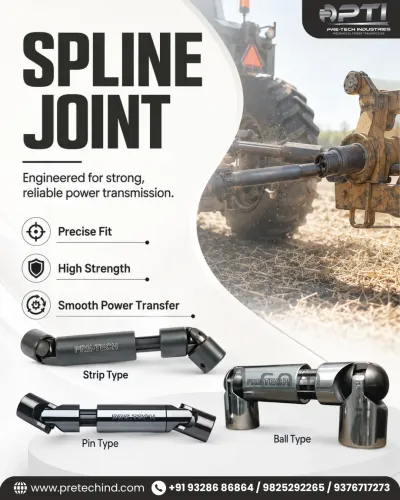
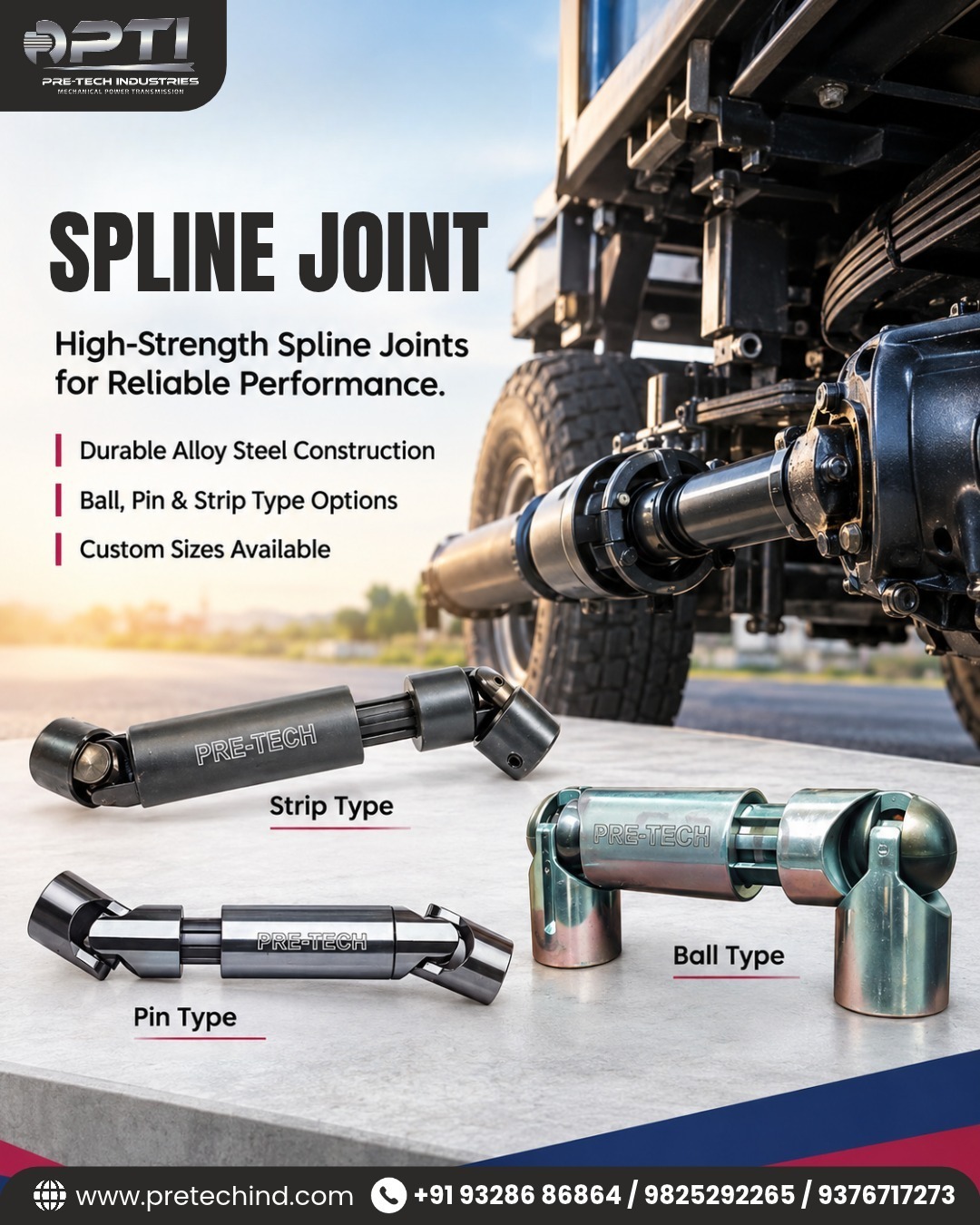
Different machines require different joint arrangements. Pre-Tech Industries features ball-type, pin-type, and strip-type spline joint options.
1. Ball-Type Spline Joint
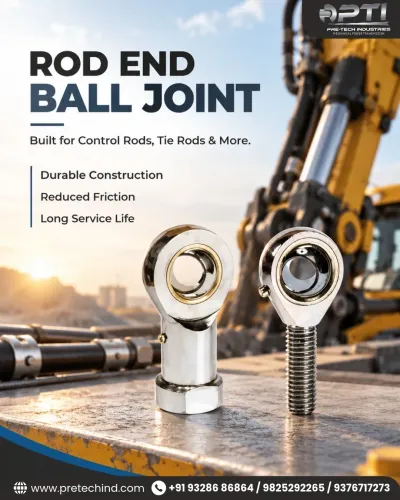
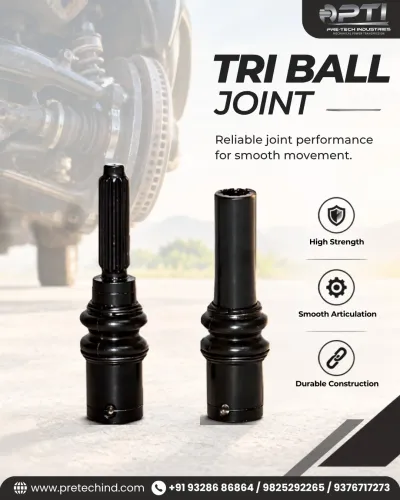
A Ball-Type Spline Joint uses a ball-based mechanism to connect components in suitable power transmission applications. Its performance depends on the design, load rating, and permitted movement.
Before selecting this type, confirm its torque capacity, operating angle, dimensions, and compatibility with your equipment.
2. Pin-Type Spline Joint
A pin-type spline joint uses pin-based components in its joint mechanism. Depending on its construction, it may suit drive systems that require a secure connection and reliable torque transmission.
Review the joint's load capacity, connection geometry, and maintenance requirements before purchasing.
3. Strip-Type Spline Joint
A Strip-Type Spline Joint is another configuration available for selected mechanical power transmission requirements. Its suitability depends on the joint structure, connection dimensions, and operating conditions.
Discuss your application with the supplier to confirm the appropriate specifications and installation requirements.
Applications of Spline Joints in Heavy-Duty Machinery
A Spline Joint for Industrial Machinery can serve a range of mechanical applications where rotational power must be transferred between connected components.
Automotive and Commercial Vehicles
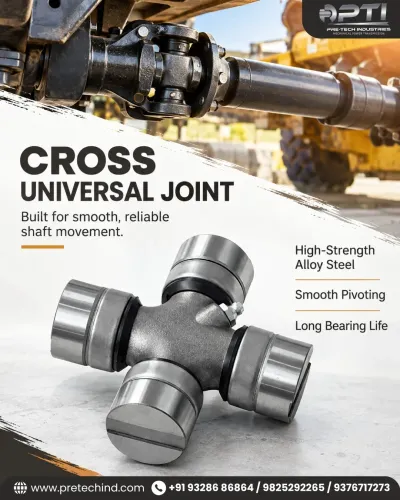
Suitable drive-shaft joint assemblies transfer torque between connected components in vehicle drivetrains. The required design depends on the drivetrain arrangement and operating conditions.
Agricultural Machinery
Agricultural equipment often operates under changing loads and challenging environmental conditions. Appropriate power transmission components support compatible mechanical systems.
Construction Equipment
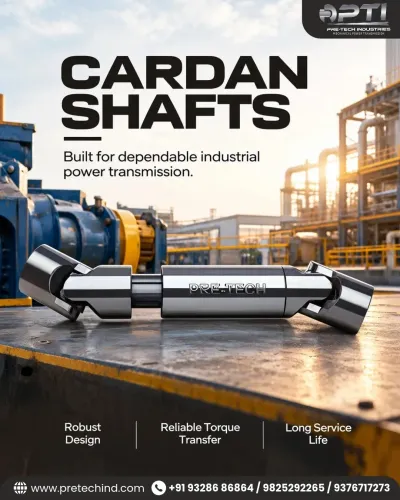
Heavy machinery may use suitable drive-shaft and joint assemblies to transfer power between drivetrain components during operation.
Industrial Machinery
Manufacturing equipment and industrial drive systems can use splined connections where reliable torque transmission and, in certain designs, axial movement are required.
Material Handling Equipment
Selected material handling systems use mechanical transmission components to support equipment movement and operate connected mechanisms.
How to Choose the Right Spline Joint
Selecting the right spline joint is important for compatibility, reliable operation, and an appropriate service life. Consider these factors before ordering.
Torque and Load Capacity
Determine the torque the joint must transmit during normal operation and peak loading. Choose a product with a capacity that meets the machine's operating requirements.
Material and Durability
Consider the mechanical loads, working environment, corrosion exposure, and expected service life. Alloy steel may suit demanding applications when the selected grade and treatment meet the required specifications.
Joint Type and Movement
Identify whether the application requires a ball-type, pin-type, strip-type, or another suitable configuration. Check the required operating angle and axial movement, if applicable.
Dimensions and Compatibility
Verify shaft dimensions, spline specifications, mounting arrangements, connection geometry, and available installation space. Accurate measurements help prevent compatibility issues during installation.
Operating Conditions
Consider operating speed, temperature, vibration, alignment, and duty cycle. These conditions can affect joint performance, wear, and maintenance needs.
Maintenance and Technical Support
Review lubrication requirements, inspection intervals, replacement-part availability, and supplier support to help maintain dependable operation over time.
Why Choose Pre-Tech Industries for Spline Joints
Pre-Tech Industries provides mechanical power transmission products for a range of industrial and mechanical applications. Its spline joint options let buyers choose configurations that match their equipment requirements.
When evaluating a Spline Joint Manufacturer in Ahmedabad, consider the following product-selection factors:
* Ball-type, pin-type, and strip-type configurations
* Alloy steel construction options
* Custom sizes, subject to technical feasibility
* Compatibility with the intended drive system
* Appropriate dimensions and load specifications
Businesses searching for a Spline Joint Supplier in Gujarat or a Spline Joint Distributor in India should compare technical specifications, material quality, manufacturing tolerances, and application suitability before making a purchase.
To help identify a suitable product, share your shaft dimensions, torque requirements, operating angle, expected movement, and working conditions with the supplier.
A Spline Joint plays an important role in reliable power transmission by transferring torque between compatible mechanical components. Depending on its design, it may also accommodate angular changes or axial movement, making it useful for selected automotive, agricultural, construction, and industrial applications.
Choosing the right joint requires careful consideration of torque capacity, material, dimensions, joint configuration, and operating conditions. Proper installation and regular maintenance can minimize unnecessary wear and support consistent machinery performance.
If you are looking for a suitable Industrial Spline Joint for your equipment, contact Pre-Tech Industries to discuss your technical requirements and explore available options.
Frequently Asked Questions (FAQs)
1. What is a spline joint used for?
A spline joint, or splined connection, transmits torque between compatible mechanical components. Depending on its design, it may also accommodate axial movement or angular changes.
2. What are the different types of spline joints?
Spline joint configurations vary by design and application. Pre-Tech Industries offers ball-type, pin-type, and strip-type options to meet mechanical power transmission requirements.
3. Which material is suitable for a heavy-duty spline joint?
Alloy steel can suit demanding applications when its grade, heat treatment, and mechanical properties meet the required operating and load conditions.
Keywords